Advertisement
Is Dry January too extreme for you? The answer is: Damp January might be your perfect solution! As someone who's tried both approaches, I can tell you that completely cutting out alcohol for a whole month often leads to frustration and eventual binge drinking. That's why more health experts are now recommending this more flexible alternative.Here's the deal: Damp January isn't about perfection - it's about progress. Instead of setting yourself up for failure with strict rules, you focus on drinking less than usual while still allowing yourself occasional drinks. Research shows this moderate approach actually leads to better long-term results because it's more sustainable. I've seen firsthand how small, manageable changes can create lasting habits without the deprivation mindset.The key difference? While Dry January demands complete abstinence, Damp January gives you the freedom to enjoy alcohol in moderation while still working toward healthier habits. It's not about making excuses - it's about creating realistic change that sticks beyond January. Let me show you why this approach works and how you can make it successful for your lifestyle.
E.g. :How Aspirin Works: New Discoveries About This Ancient Pain Reliever
- 1、Is Dry January Too Extreme For You?
- 2、Dry vs Damp: What's The Real Difference?
- 3、How Damp January Creates Healthier Habits
- 4、Practical Tips For Your Damp January
- 5、Making It Stick Beyond January
- 6、The Hidden Benefits of Cutting Back on Alcohol
- 7、Creative Ways to Enjoy Socializing Without Overdrinking
- 8、The Financial Perks You Never Considered
- 9、Breaking Through Social Pressure
- 10、Redefining Your Relationship With Alcohol
- 11、FAQs
Is Dry January Too Extreme For You?
Why Damp January Might Be Your Perfect Fit
Let's be real - Dry January sounds great in theory, but completely cutting out alcohol for a whole month? That's tough! I've tried it before and let me tell you, by January 15th I was dreaming about margaritas. That's where Damp January comes in - it's like Dry January's more chill cousin.
Think about it this way: if you usually have 3 drinks every Friday night, try cutting back to 2. Or swap one of your weekly happy hours for mocktail night. Small changes add up! Research shows that people who take this moderate approach are actually more likely to stick with their goals long-term compared to those who go cold turkey.
The Science Behind Moderate Reduction
Here's something interesting - our brains hate sudden deprivation. When we completely cut out something we enjoy (like alcohol), we often end up craving it even more. That's why so many people who do Dry January end up binge drinking in February. Makes sense, right?
Psychologist Tara Quinn-Cirillo explains it perfectly: "We're wired to want quick fixes, but real behavior change happens gradually." Instead of setting yourself up for failure with extreme rules, why not try something more sustainable? Your future self will thank you!
Dry vs Damp: What's The Real Difference?
 Photos provided by pixabay
The Strict Rules of Dry January
Dry January means zero alcohol for 31 days straight. No exceptions. While this can be great for some people, it's not for everyone. Imagine this scenario: you're at your best friend's birthday party in mid-January. Everyone's toasting with champagne. Do you really want to be the only one sipping sparkling water?
Here's a quick comparison table to show the differences:
| Dry January | Damp January | |
|---|---|---|
| Alcohol Allowed | None | Reduced Amount |
| Flexibility | Very Strict | Moderate |
| Long-Term Success Rate | Lower | Higher |
The Flexible Approach of Damp January
Now let's talk about Damp January. This approach says: "Hey, life happens." You can still enjoy a drink when it really matters to you, while cutting back overall. The key is being intentional about it.
Nutritionist Natalie Louise Burrows puts it well: "All-or-nothing thinking often leads to binge cycles. Finding balance is what creates lasting change." So if you have a special occasion in January, go ahead and enjoy that glass of wine - just make sure it's a conscious choice, not just habit.
How Damp January Creates Healthier Habits
The Gradual Change Advantage
Here's a question: Why do we expect to change drinking habits overnight when we wouldn't do that with anything else? You wouldn't go from never running to running a marathon in one month, right? The same logic applies here.
Making gradual changes gives your body and mind time to adjust. When you slowly reduce alcohol, you're more likely to notice the positive effects - better sleep, more energy, clearer skin. These natural rewards make you want to keep going, unlike the deprivation mindset of Dry January.
 Photos provided by pixabay
The Strict Rules of Dry January
Let me share a personal tip that worked for me: start by tracking your current drinking habits for a week. Write down every drink - you might be surprised! Then set realistic reduction goals. Maybe it's having 3 alcohol-free days per week, or limiting yourself to 2 drinks when you do indulge.
The CDC recommends these guidelines for moderate drinking:
- Men: 2 drinks or less per day
- Women: 1 drink or less per day
But remember - these are maximums, not targets! Your personal ideal might be even lower.
Practical Tips For Your Damp January
Smart Strategies For Cutting Back
Here's where we get into the fun stuff - how to actually make this work in real life. First, try the "one less" rule: whatever you'd normally drink, have one less. If you usually have 3 beers, make it 2. Small changes make big differences over time.
Another great trick? Become a mocktail connoisseur! There are so many amazing alcohol-free options now that taste just as good as the real thing. My personal favorite is sparkling water with muddled berries and a splash of lime - it feels fancy without the hangover.
Navigating Social Situations
This is where many people struggle. How do you handle peer pressure or social expectations? Here's my go-to move: arrive early and order your mocktail first. That way when others start drinking, you already have a drink in hand and no one questions it.
And here's a pro tip: if you're worried about looking "weird" for not drinking, just say you're doing a health challenge or training for an event. People respect that and usually stop offering drinks pretty quickly!
Making It Stick Beyond January
 Photos provided by pixabay
The Strict Rules of Dry January
Here's another important question: What happens when February rolls around? Many people fall right back into old habits. The beauty of Damp January is that it teaches sustainable habits you can continue all year.
Try this: at the end of January, reflect on what worked for you. Maybe you discovered you love having Saturday mornings clear-headed instead of hungover. Or perhaps you realized you don't actually enjoy wine as much as you thought. Use these insights to guide your ongoing relationship with alcohol.
Celebrating Your Progress
Don't forget to acknowledge your wins! Even small reductions in drinking are worth celebrating. Did you have one less drink than usual? High five! Made it through a party without overdoing it? That's huge!
Remember, this isn't about perfection - it's about progress. Every positive choice moves you toward healthier habits. And that's something worth toasting to (with whatever drink you choose)!
The Hidden Benefits of Cutting Back on Alcohol
Your Body Will Thank You in Unexpected Ways
You probably know alcohol affects your liver, but did you realize it impacts nearly every system in your body? When I reduced my drinking, the first thing I noticed was my skin clearing up within days. Alcohol dehydrates you, causing puffiness and breakouts. Better skin became my unexpected reward!
Here's something fascinating - your gut microbiome starts improving almost immediately when you drink less. Those trillions of bacteria influence everything from immunity to mood. One study showed that just one week of moderate drinking (instead of heavy) led to measurable gut health improvements. Who knew your cocktails were affecting your gut buddies?
The Mental Clarity You've Been Missing
Ever wake up after drinking feeling like your brain is wrapped in cotton? That's not just dehydration - alcohol disrupts your REM sleep, the most restorative phase. When I cut back, I started remembering my dreams again and waking up actually refreshed. No more 3pm energy crashes!
Let me share a personal story: After reducing my weekend drinking, I suddenly had energy for Sunday morning hikes. My dog was thrilled, and I discovered a whole new hobby! Now I look forward to Saturday nights because I know I'll feel great the next morning. Funny how that works, right?
Creative Ways to Enjoy Socializing Without Overdrinking
Become the Mocktail Master of Your Friend Group
Here's a game-changer: when hosting, make one signature mocktail as fancy as your cocktails. I created a "Spicy Ginger Fizz" that's now more popular than my old margaritas! Use fun glasses, garnishes, and creative names - it makes not drinking feel special rather than restrictive.
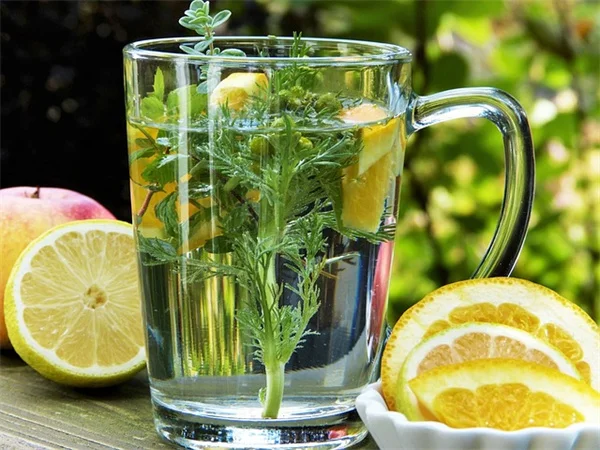
Pro tip: Keep a beautiful pitcher of infused water (cucumber-mint is my go-to) visible at parties. People will naturally drink more water between alcoholic drinks without even realizing it. You're helping everyone pace themselves while looking like an amazing host!
Plan Activities That Don't Revolve Around Drinking
Why do we default to bars for socializing? There are so many more interesting options! My friends and I started doing monthly "adventure days" - everything from pottery classes to urban scavenger hunts. The laughter and memories we create beat any happy hour.
Here's a funny realization: When you're not focused on your next drink, you actually pay attention to conversations. I've rebuilt deeper connections with friends since we started meeting for morning walks instead of evening cocktails. Who knew removing alcohol could strengthen relationships?
The Financial Perks You Never Considered
Your Wallet Will Feel the Difference
Let's do some math that'll shock you: If you normally spend $15 on three cocktails every Friday night, cutting back to one drink saves you $30 weekly. That's $120/month - enough for a massage, new shoes, or contributions to your vacation fund!
I started putting my "drink savings" in a visible jar. Watching it grow motivated me more than any health statistic. Last year, I used that money for a weekend getaway. Talk about positive reinforcement! Financial health is health too.
The Hidden Costs You're Not Counting
It's not just the drinks themselves - think about the late-night pizza orders, the Ubers you wouldn't need if sober, the productivity lost to hangovers. One month of tracking these "drinking adjacent" expenses changed everything for me.
Here's my embarrassing confession: I once spent $78 on drunk online shopping after wine night. Now that money goes toward my "sober fun fund" for concerts and experiences I'll actually remember. Which purchase would you rather make?
Breaking Through Social Pressure
Why We Feel Weird Not Drinking
Ever notice how people get uncomfortable when you don't drink? It's like you're holding up a mirror to their habits. Here's my favorite response when offered a drink: "I'm good for now, but I'd love a sparkling water with lime!" It acknowledges the offer while setting a boundary.
Fun fact: Research shows that most people dramatically overestimate how much others drink. When surveyed, college students guessed their peers had 5+ drinks weekly - the actual average was 2. You're probably not the odd one out like you think!
Finding Your Tribe Beyond the Bar Scene
This was my game-changer: I sought out communities where drinking wasn't the focus. Hiking groups, book clubs, volunteer organizations - these introduced me to amazing people who bonded over shared interests rather than shared cocktails.
Here's an unexpected benefit: My social calendar became more varied and interesting. Instead of the same bar conversations, I'm discussing novels, exploring nature, and making a difference. And guess what? These friends don't care whether I drink or not. Real connections transcend alcohol.
Redefining Your Relationship With Alcohol
Listening to What Your Body Really Wants
Here's an experiment that changed everything for me: Before each drink, I pause and ask, "Do I truly want this, or is this habit?" You'd be surprised how often it's the latter. Now I only drink when I genuinely crave the taste, not just because it's there.
Try this mind trick: Imagine alcohol is a food you're mildly allergic to. Would you eat it just because it's offered? Probably not. This perspective helps make more intentional choices without feeling deprived.
Creating New Rituals That Serve You Better
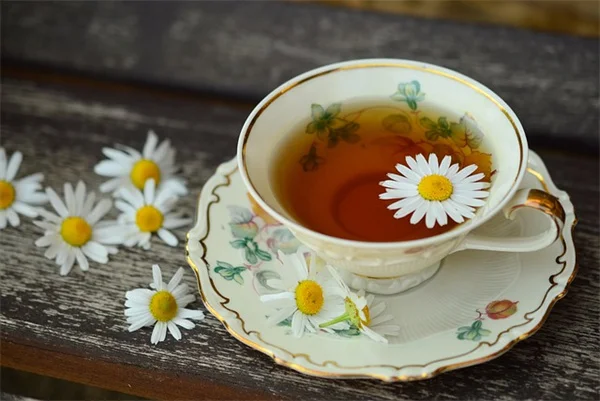
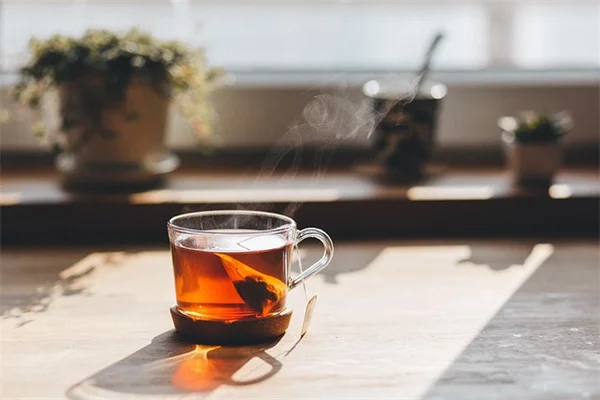
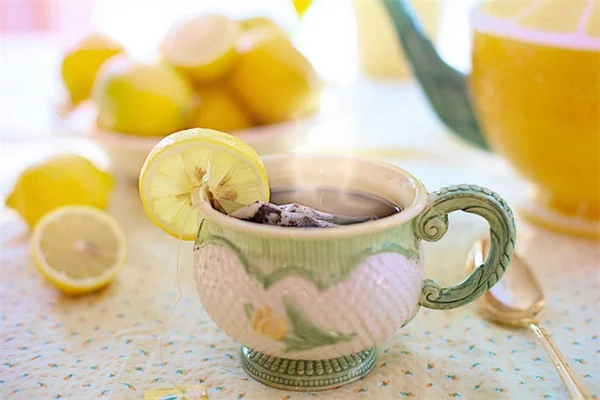
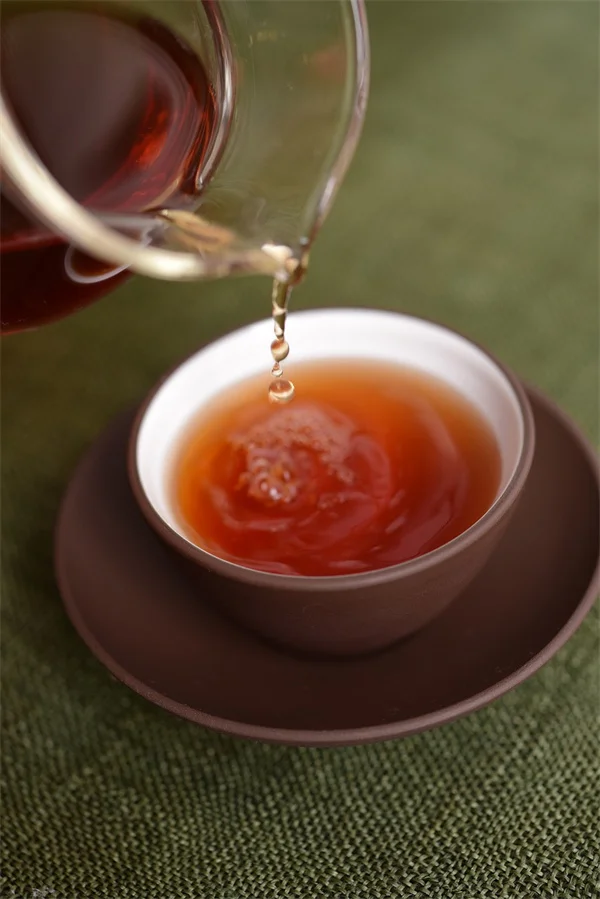
Our brains love routines - why not make them healthy ones? I replaced my after-work wine with fancy teas in beautiful cups. The ritual remained comforting, just without the negative effects. Bonus: I discovered an amazing local tea shop!
Weekend mornings became my new favorite time when I stopped wasting them hungover. Now I savor slow breakfasts, podcasts, and leisurely walks. These small pleasures became so valuable that drinking lost its appeal. Sometimes the best way forward is creating something better to replace the old habit.
E.g. :Why I Prefer Damp January to Dry January for Better Drinking Habits ...
FAQs
Q: What exactly is Damp January?
A: Damp January is a more flexible alternative to Dry January where you focus on reducing your alcohol intake rather than eliminating it completely. Instead of strict rules, you set personal limits like having 3-4 alcohol-free days per week or cutting your usual drinks in half. The CDC recommends moderate drinking as no more than 2 drinks daily for men and 1 for women - but with Damp January, you might aim even lower. This approach acknowledges that life happens while still helping you develop healthier drinking habits that can last beyond January.
Q: Why is Damp January more effective than Dry January?
A: Damp January tends to be more effective because it's based on sustainable behavior change rather than temporary deprivation. When we completely cut out something we enjoy (like alcohol), our brains often rebel, leading to intense cravings and eventual binge drinking. By taking a moderate approach, you're more likely to stick with your goals long-term. Nutritionist Natalie Louise Burrows explains that "all-or-nothing thinking often leads to binge cycles," while gradual reduction creates lasting change. Plus, you'll actually learn to enjoy alcohol in moderation rather than seeing it as forbidden fruit.
Q: How do I start with Damp January?
A: Starting Damp January is simple! First, track your current drinking habits for a week to understand your baseline. Then set realistic goals - maybe it's having alcohol-free weekends or limiting yourself to 2 drinks when you do indulge. Stock up on tasty non-alcoholic alternatives like sparkling waters or craft mocktails so you always have good options. Plan your drinking days in advance and be intentional about when you choose to drink. Remember, the goal isn't perfection - it's progress toward a healthier relationship with alcohol that works for your lifestyle.
Q: What are some practical tips for sticking with Damp January?
A: Here are my top tips for Damp January success: 1) Use the "one less" rule - whatever you'd normally drink, have one less. 2) Become a mocktail expert with fun alcohol-free recipes. 3) Arrive early to parties and order your non-alcoholic drink first. 4) Alternate alcoholic drinks with water. 5) Remind yourself why you're doing this when temptation strikes. The key is making small, sustainable changes rather than drastic cuts. And don't forget to celebrate your wins - every positive choice moves you toward healthier habits!
Q: Can Damp January really improve my health?
A: Absolutely! Even moderate reduction in alcohol can lead to noticeable health benefits like better sleep, more energy, improved mood, and weight management. By drinking less, you're giving your liver time to recover and your body a chance to rebalance. Many people report clearer skin, better digestion, and improved mental clarity within just a few weeks of cutting back. The best part? These natural rewards often make people want to continue their healthier habits beyond January. As psychologist Tara Quinn-Cirillo says, "Real behavior change happens gradually" - and that's exactly what Damp January helps you achieve.